
We’ve all heard it—and most of us have said it.
"Once I hit 35, my metabolism just tanked." "I used to be able to eat whatever I wanted, but now I look at a slice of pizza and my jeans get tighter." We’ve been conditioned to believe that as we age, our bodies inevitably turn into slow-moving sloths, and there’s nothing we can do about it. Well, grab your jump rope and get ready to celebrate, because it turns out we’ve been lied to.
Recent science has pulled the curtain back on how we actually age, and the news is better than we ever imagined. Not only is your "inner furnace" still burning hot, but the work we do here at the box is doing more for your brain than any crossword puzzle ever could.
Let’s dive into the truth about your metabolism, your mind, and why CrossFit might just be the closest thing we have to a real-life Fountain of Youth.
For decades, we assumed metabolism was like a battery that slowly drained every year after high school. But a massive study published in the journal Science (led by Dr. Herman Pontzer) changed everything.
Researchers tracked 6,400 people, ranging from eight days old to 95 years old. What they found was a total game-changer:
The Takeaway: If you feel like you’re gaining weight more easily in your 40s, it’s likely not your biology betraying you. It’s usually a combination of stress, lack of sleep, and "lifestyle creep" (moving less than we used to).
The Good News? Since your engine is still capable of revving high, you have the power to change the results!
If our metabolism is stable, why do we feel "older"? Usually, it’s because of Sarcopenia—the natural loss of muscle mass as we age. Muscle is metabolically expensive; it burns calories even while you’re sleeping.
This is where CrossFit becomes your secret weapon.
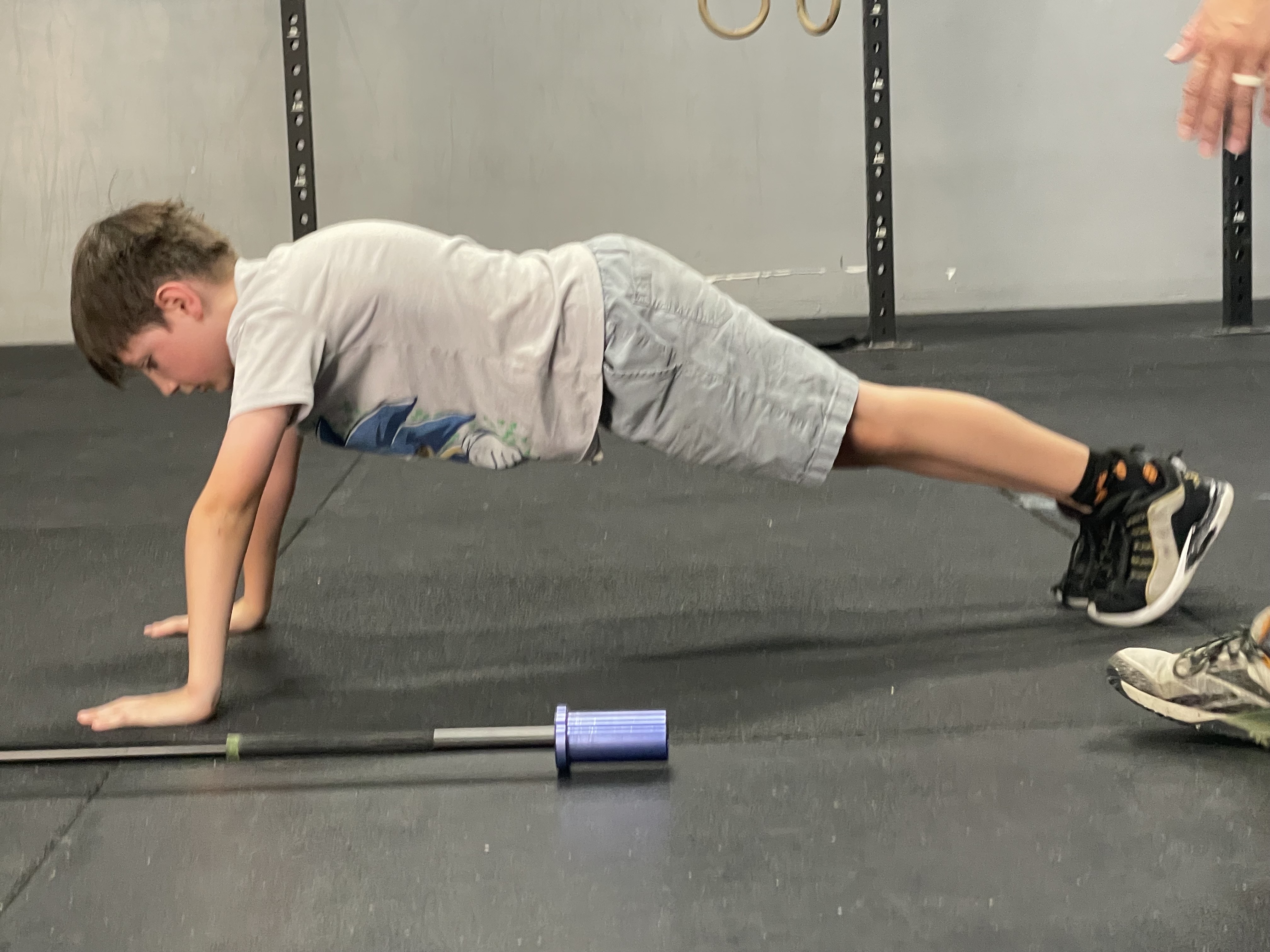
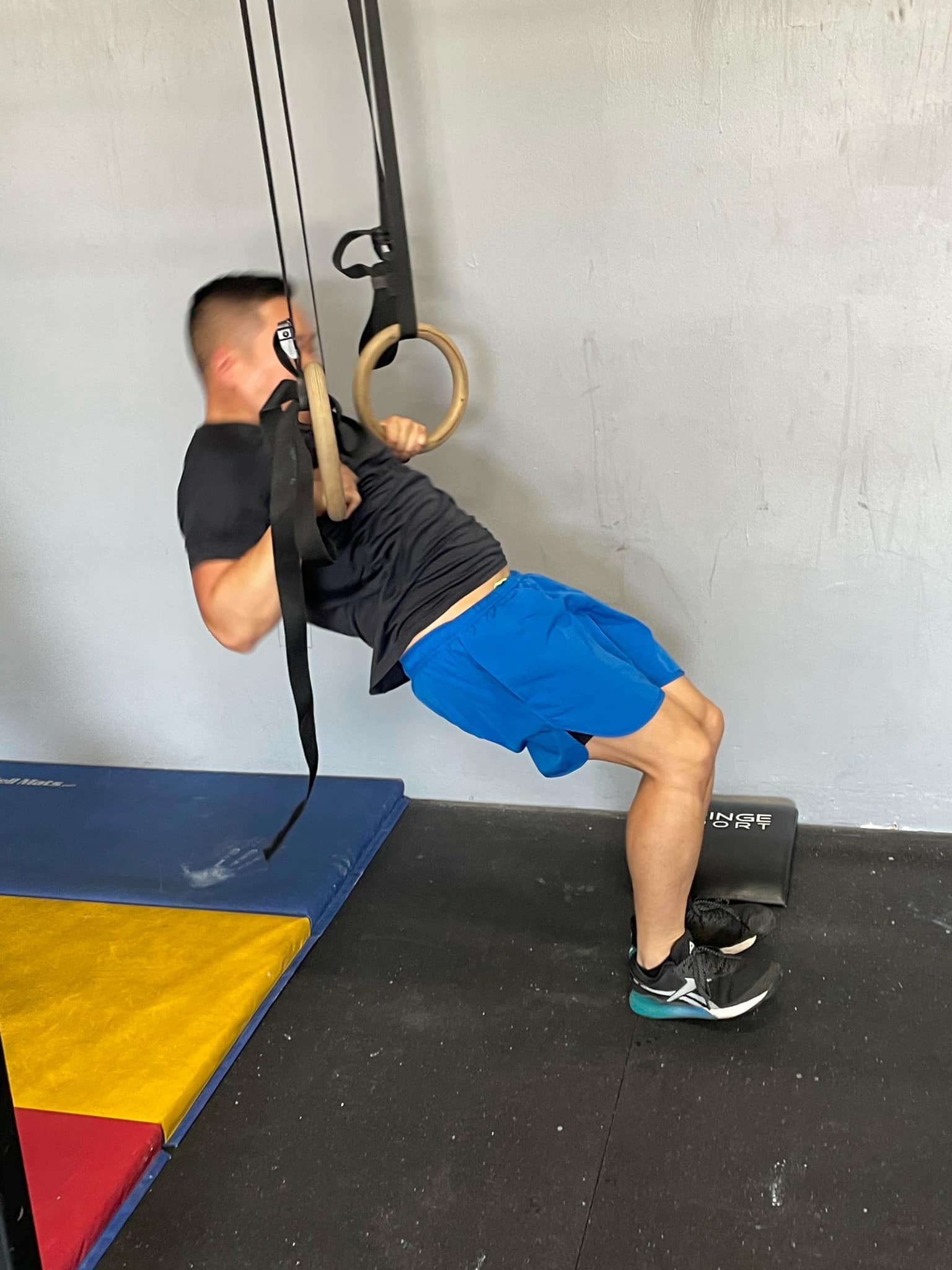
CrossFit doesn't just ask you to walk on a treadmill. We ask you to squat, lift, pull, and jump. These functional movements mimic real life. By training with intensity, we trigger a hormonal response (hello, Growth Hormone and Testosterone!) that tells your body: "Hey, we still need this muscle! Don't let it go!"
As we age, our bones can become brittle. The "loading" we do in CrossFit—think overhead presses, deadlifts, and even high-impact movements like box jumps—puts healthy stress on your bones, signaling them to become denser and stronger. We aren't just training for a better-looking summer; we're training so you can be the 80-year-old who still carries their own groceries (and maybe the neighbor’s, too).
We focus a lot on how we look in the mirror, but the most "CrossFit" thing about you is actually your brain.
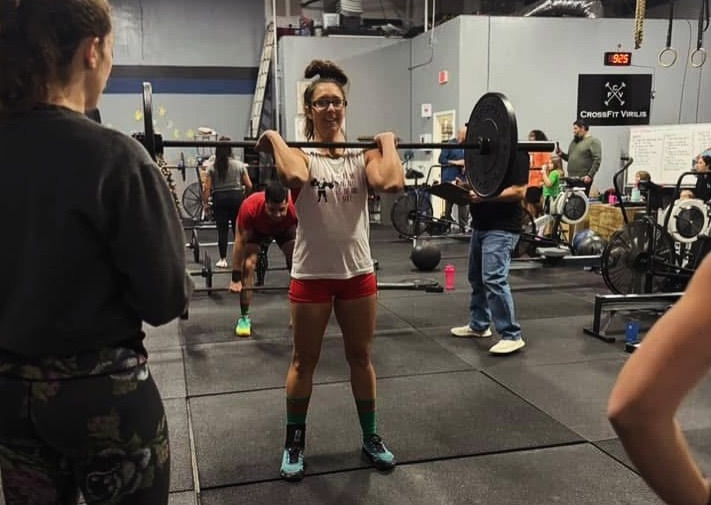
When you perform complex movements (like a snatch or a clean and jerk), your brain has to fire on all cylinders. This "neuromuscular demand" keeps your brain's wiring sharp.
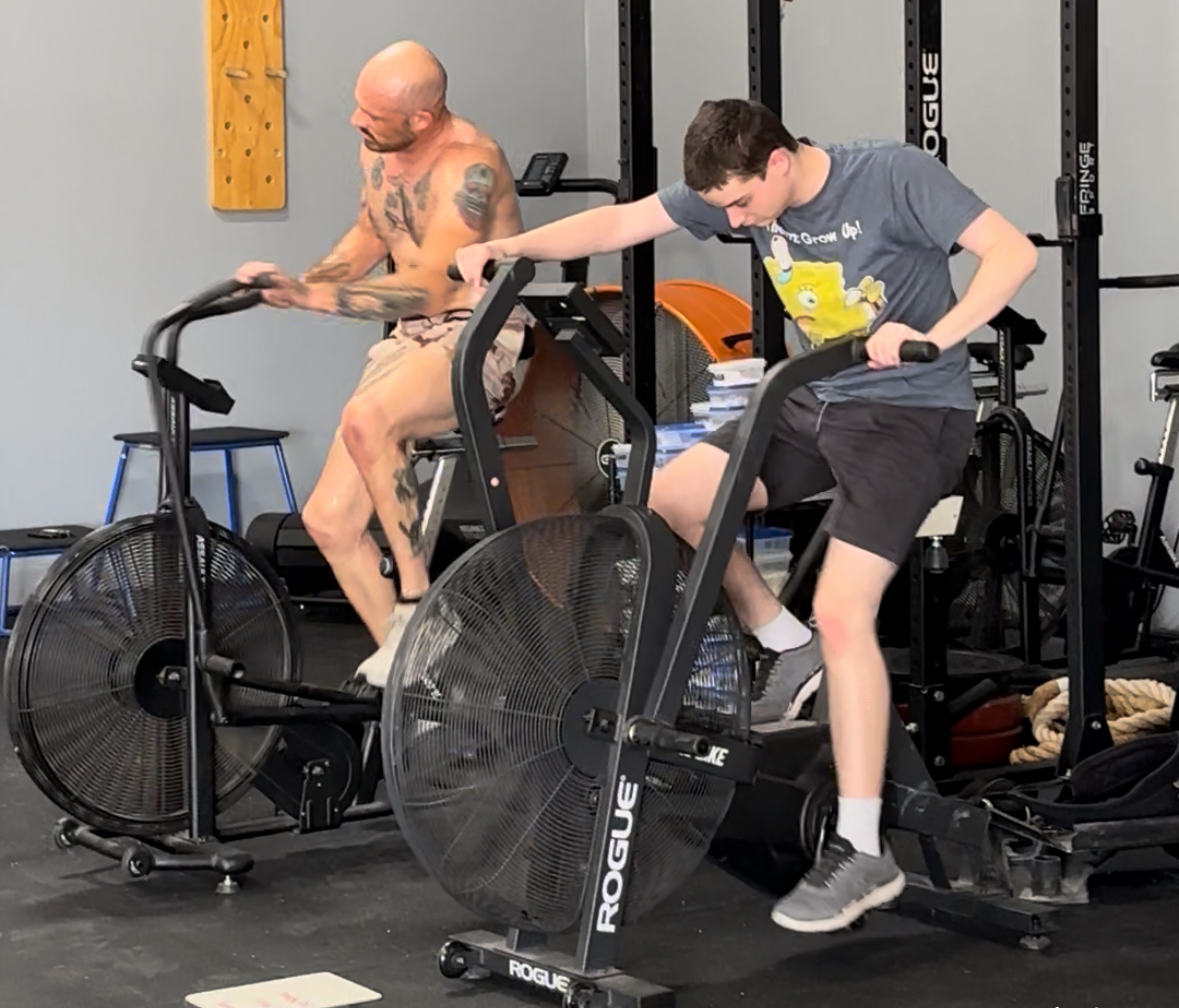
When you push through a tough WOD, your body produces a protein called BDNF (Brain-Derived Neurotrophic Factor). Scientists literally call this "Miracle-Gro for the brain." BDNF helps repair brain cells, protects them from damage, and even grows new ones.
Studies have shown that regular high-intensity exercise can significantly lower your risk of Alzheimer’s and other forms of dementia by keeping these "growth" pathways open.
You might think of Creatine as that dusty tub of powder used by bodybuilders, but in 2026, it’s being hailed as a nootropic (a brain-booster).
Your brain is an energy hog—it uses about 20% of your body’s total energy. Creatine helps your body create ATP (energy) more quickly.
It’s safe, it’s effective, and it’s not just for muscles anymore—it’s for your mind.
You aren't a victim of your age. Whether you are 25 or 65, your body is a remarkably adaptable machine that wants to stay strong.
By showing up to CrossFit Virilis, eating for your brain (think berries, protein, greens, and healthy fats), and maybe adding some Creatine to your morning routine, you aren't just "working out." You are building a fortress around your future health.